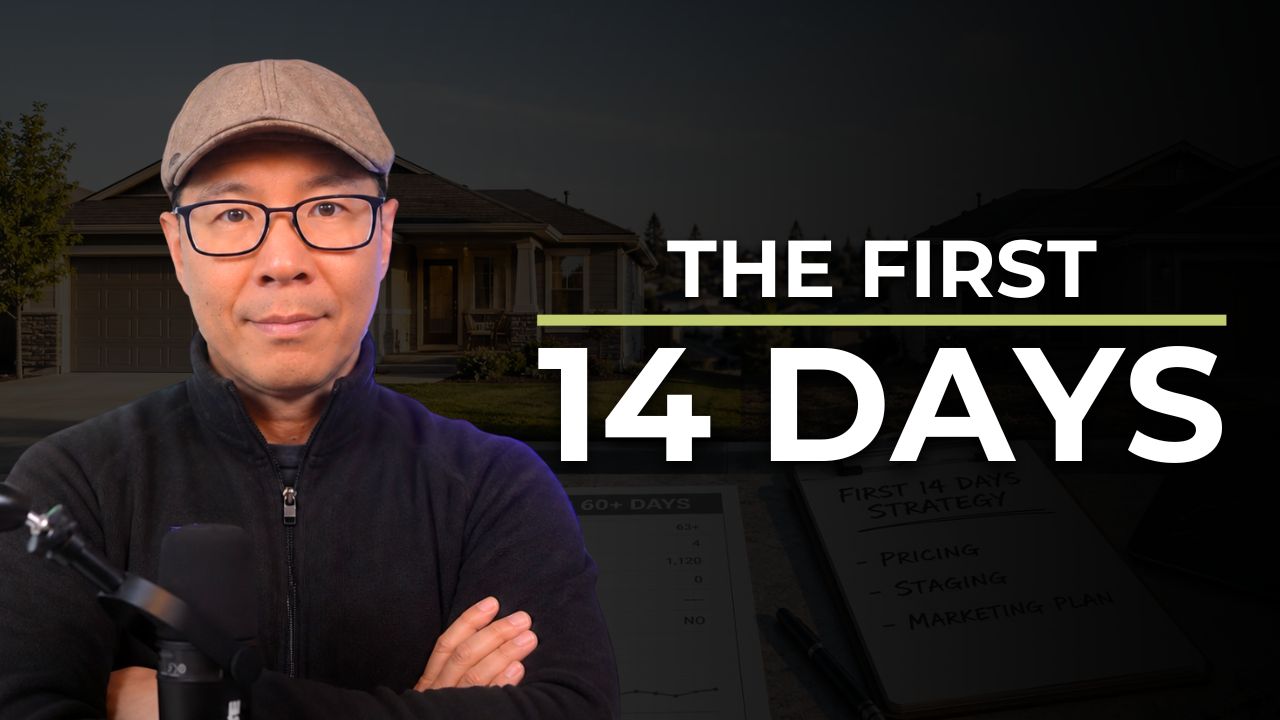
The First 14 Days That Decide How Fast Your Home Sells
The market has slowed, but well-priced homes are still selling in under two weeks. The ones who sit are usually making the same three mistakes.

What's Your San Mateo County Home Worth?. Are you thinking of selling your home or interested in learning about home prices in your neighborhood? We can help you.. Discover Market Value
Two identical homes can hit the market on the same day. One goes under contract in a week. The other is still sitting two months later, watching price cut after price cut. The difference usually comes down to three things, and none of them is luck.
The national picture shows homes taking a median of about 32 days to go under contract, according to the National Association of Realtors. That’s faster than the pre-2020 norm, but slower than the pandemic frenzy when homes sold in days, and the trend has been lengthening as buyers take more time to decide. Inventory has been growing, so buyers have more choices than they’ve had in years, and the days of blind bidding wars are mostly behind us. But well-priced, well-presented homes are still selling quickly, often within the first two weeks.
That’s the key thing to understand. When the overall market slows down, the gap between the homes that sell fast and the homes that sit gets wider, and the homes that sit are almost always making the same avoidable mistakes.
Here’s what actually determines your timeline.
Pricing is the single biggest factor. Nothing affects your days on the market more than your asking price. A home priced right for its condition and location generates the most interest in the first 7 to 14 days. That’s when buyer activity peaks. Every agent notices the new listing. Every buyer who’s been searching sees it hit their feed. If the price matches what the market says the home is worth, showings come fast, and offers follow.
When a home is overpriced, even by 5% to 10%, the opposite happens. Buyers scroll past it. Agents skip it. The critical first two weeks pass without strong activity, and now the seller is chasing the market. Every price reduction after that point resets the clock, and buyers start wondering what’s wrong with the house. Homes that sell quickly tend to close at or near the asking price. Homes that sit past 60 days typically sell for less than they would have if priced correctly from the start. Overpricing doesn’t just cost time. It costs money.
Condition determines who shows up. The second factor is how the home presents. Buyers are comparing every listing in your price range, and first impressions happen fast. A home that feels clean, well-maintained, and move-in ready attracts serious, motivated buyers. A home that needs obvious work or has deferred maintenance showing attracts bargain hunters and lowball offers.
You don’t need to renovate. You need to present well. Fresh paint in neutral tones, clean landscaping, no clutter, working fixtures, and a home that feels fresh when someone walks in. Those basics can shave weeks off your timeline, because buyers want to picture themselves living there. The easier you make that for them, the faster they decide.
Your agent’s first two weeks matter more than most sellers realize. The first two weeks on the market are the highest-activity window for any listing. That’s when the marketing needs to be firing on all cylinders: professional photos, a compelling description, targeted digital exposure, an open house plan, broker outreach, and proactive follow-up with every showing agent. If the plan is to put it on the MLS and wait, you’re losing the most valuable window in the entire process.
The agents who sell homes fastest aren’t waiting for buyers to find the listing. They’re reaching out to buyer’s agents in the area, reading showing feedback in real time, and adjusting within days, not weeks. That first two-week window is a launch, and it should be treated like one.
The bottom line. How long it takes to sell your home isn’t a mystery, and it isn’t about luck. It comes down to pricing it right, presenting it well, and having an agent with a real plan for the first two weeks. The market has slowed overall, which is exactly why getting those three things right matters more now than it did a couple of years ago. Get them right, and the timeline usually takes care of itself.
If you’re thinking about selling and you want to know what a realistic timeline looks like for your home, we’d love to walk you through it. Call or text us at 1-650-274-3598, email us at Burt@RealEstateBurt.com, or visit realestateburt.com.
-
What's Your San Mateo County Home Worth?. Are you thinking of selling your home or interested in learning about home prices in your neighborhood? We can help you.. Discover Market Value
-
Search All Homes. Search the entire MLS for your next San Mateo County home with pricing, schools, neighborhood data, and more. Search the MLS
-
Free Newsletter. Get our latest Q&A, insights, and market updates to make smarter decisions. Subscribe Now
Frequently Asked Questions
Why are the first 14 days so important when selling a home?
The first 14 days are when your home receives the most attention from serious buyers and real estate agents. New listings often appear in buyer alerts and search results, creating the highest level of interest. Pricing and marketing your home correctly from day one can increase showings, generate stronger offers, and reduce time on the market.
What happens if a home doesn't sell in the first two weeks?
If a home doesn't attract strong interest during its first two weeks, buyers may begin to wonder if it's overpriced or has hidden issues. As days on market increase, sellers often need to reduce the price or make other changes to regain buyer attention and momentum.
How can I make sure my home gets offers quickly?
To maximize interest, price your home based on recent comparable sales, invest in professional photography, prepare the home for showings, and launch with a strong marketing strategy. A well-prepared listing is more likely to generate immediate buyer activity during the critical first two weeks.
Does overpricing a home slow down the sale?
Yes. Overpricing is one of the most common reasons homes stay on the market longer. Buyers compare listings online and often skip homes that appear overpriced, resulting in fewer showings, reduced negotiating power, and eventual price reductions.
Can a home still sell quickly after the first 14 days?
Yes, but it may require adjustments. If your home isn't generating offers, updating the price, improving presentation, refreshing listing photos, or expanding your marketing can help attract new buyers. Working with an experienced real estate agent to evaluate buyer feedback is key to restoring momentum.