Why San Mateo County Can't Just Build More Homes
Roughly two-thirds of the county is locked up by water, geography, and voter-approved protections. Here's what that means for your home value and your search.

What's Your San Mateo County Home Worth?. Are you thinking of selling your home or interested in learning about home prices in your neighborhood? We can help you.. Discover Market Value
Around two-thirds of San Mateo County can’t realistically be built on. Between the watershed, the open-space preserves, the coast, and the fire zones, a large share of the county is spoken for by a mix of state law, voter approval, and plain geography. With prices where they are, you’d expect a real fight to pry some of that land loose. Other Bay Area counties have at least raised the idea. This one hasn’t, and it isn’t for lack of awareness.
Once you see what the protected land actually is, unprotecting it no longer looks realistic.
Protected land here isn’t one rule; it’s several stacked together. “Protected open space” really covers at least four separate things.
- There’s the watershed, the hills down the spine of the Peninsula owned by the San Francisco Public Utilities Commission, holding Crystal Springs, Pilarcitos, and San Andreas Reservoirs. That’s not parkland, it’s the infrastructure that supplies drinking water to about 2.7 million people across the Bay Area.
- There’s the Midpeninsula Regional Open Space District, which voters extended to the San Mateo coast in 2004, so only voters can undo it.
- There’s the coast, Half Moon Bay, Pacifica, Montara, Moss Beach, El Granada, governed by the California Coastal Act under the California Coastal Commission, whose authority local cities can’t easily brush aside.
- And there’s agricultural land under the Williamson Act, plus federal and state holdings like the GGNRA and the state parks.
So “why not just rezone it?” runs into a harder question: which of these systems are you overriding, since none report to the same authority?
Even setting the law aside, the physical reasons are hard to argue with. You can’t put housing on top of a drinking water reservoir without treatment infrastructure that doesn’t exist today. The hills along the 280 corridor now carry CAL FIRE’s very high fire hazard severity designation, and after the CZU fires next door in 2020, insurers are already retreating from homes there, so adding thousands more into that risk is a hard sell and a harder underwriting problem.
The San Andreas Fault cuts straight through the county, with Crystal Springs Reservoir sitting right in the fault zone, so the same protected band is also the most seismically dangerous ground around. And much of it is steep hillside, where building on a 30% slope costs far more per unit than flat land near transit. Put it together, and you don’t get affordable housing, you get expensive hillside housing in a fire zone, which solves nothing.
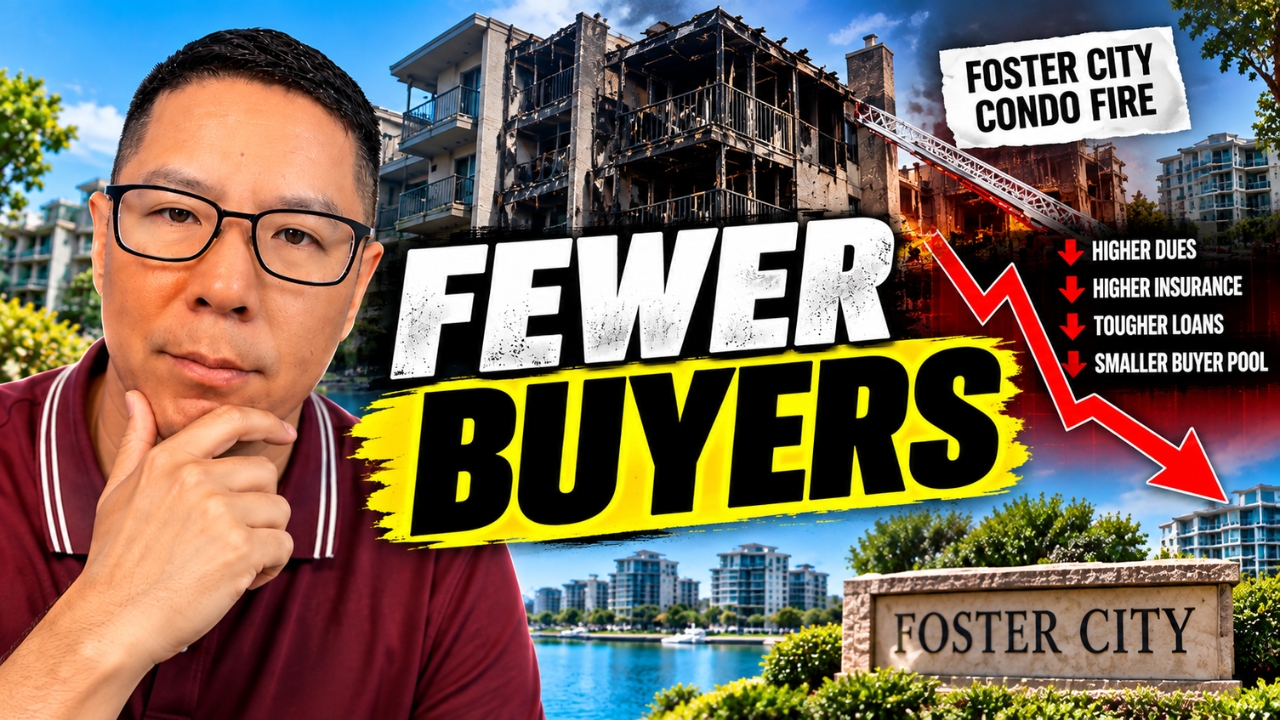
New supply is coming, and it’s coming from infill. Downtown San Carlos has been changing for years, with Wheeler Plaza, the projects by the Caltrain station, and units along Old County Road. San Mateo has multiple mixed-use projects going, the hub at Concar Drive and the Bay Meadows area, which added thousands of homes over the past decade. Redwood City rebuilt its downtown core with real housing. South San Francisco is building alongside its biotech growth, Burlingame has projects along El Camino, and Foster City keeps adding.
On top of the local projects, the state is pushing growth in the same direction. SB9 lot splits, ADU rules, and Plan Bay Area 2050+, adopted this past March, all steer new housing into existing parcels and transit corridors like Caltrain, 101, and El Camino. It’s slower and pricier per unit, but it’s the route the county and state have chosen.
What we want you to take from this is simple. Buying or selling on the Peninsula means a market where the supply limits aren’t a passing phase. They won’t be reversed in five years because they’re geographic, voter-approved, and tied to the drinking water of millions of people.
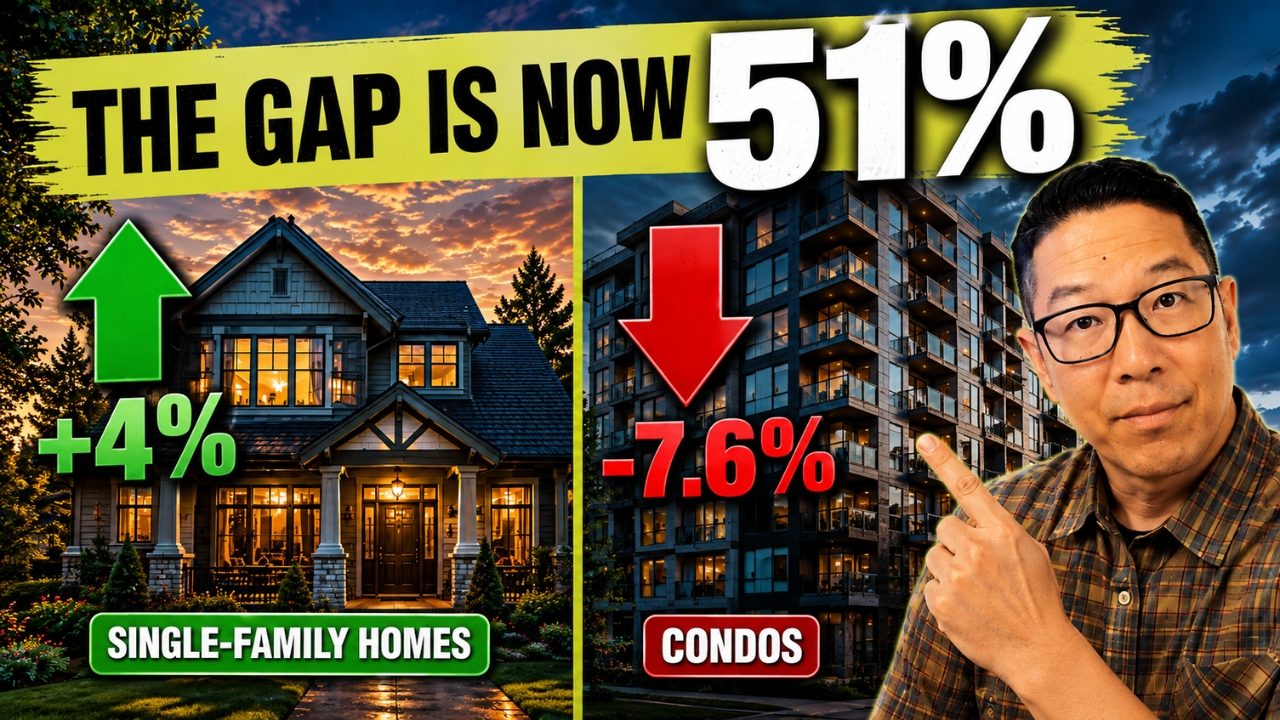
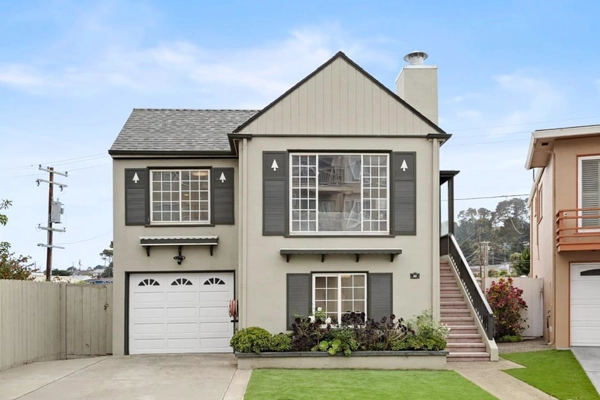
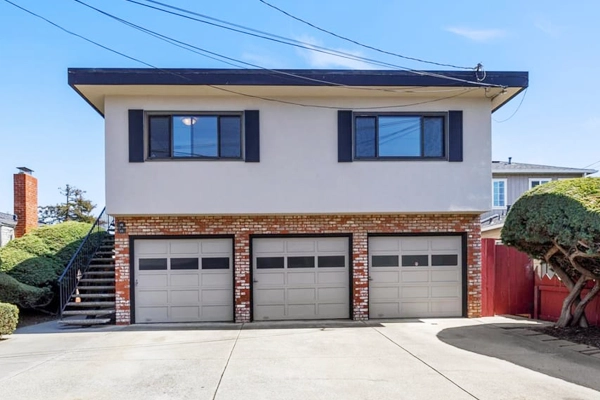
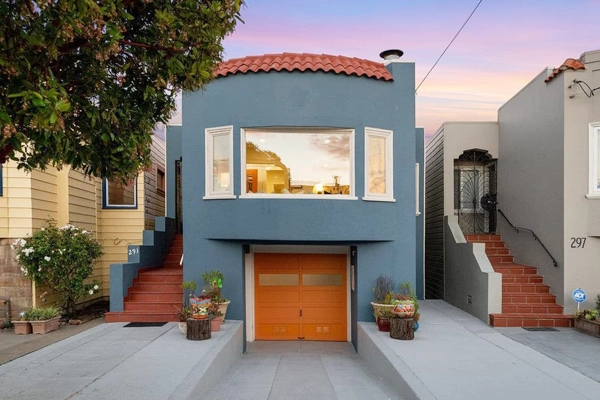
So new housing will keep coming through infill in downtown corridors and along transit, while the single-family homes in established neighborhoods remain a fixed supply, handed down from one owner to the next.
If you’re selling, it’s part of why a home in an established neighborhood holds its value. If you’re buying, it’s why finding the right home here takes longer than people expect coming from other markets.
To talk through what this means for your situation, call or text us at 1-650-274-3598, email us at Burt@RealEstateBurt.com, or visit realestateburt.com.
-
What's Your San Mateo County Home Worth?. Are you thinking of selling your home or interested in learning about home prices in your neighborhood? We can help you.. Discover Market Value
-
Search All Homes. Search the entire MLS for your next San Mateo County home with pricing, schools, neighborhood data, and more. Search the MLS
-
Free Newsletter. Get our latest Q&A, insights, and market updates to make smarter decisions. Subscribe Now
Frequently Asked Questions
Why can't San Mateo County just build more homes?
San Mateo County cannot simply build more homes because roughly two-thirds of the county is constrained by protected land, water infrastructure, steep hillsides, fire hazards, and geography. Much of this land is also governed by state law, voter-approved protections, or federal and state agencies, making large-scale development difficult or unrealistic.
How does limited land affect home prices in San Mateo County?
Limited developable land restricts the supply of single-family homes in established San Mateo County neighborhoods. Because new housing is primarily added through infill development, existing homes can remain relatively scarce, which can help support property values over time.
Where is San Mateo County building new housing?
New housing in San Mateo County is primarily being built through infill development in downtown areas, existing neighborhoods, and transit corridors. Projects are underway or have been completed in communities including San Mateo, San Carlos, Redwood City, South San Francisco, Burlingame, and Foster City.
Why doesn't San Mateo County build housing on its protected hills and open space?
Much of San Mateo County's hills and open space cannot realistically be converted to housing because it includes drinking-water watersheds, voter-protected open space, coastal areas regulated by the California Coastal Commission, agricultural land, and areas with significant wildfire and seismic risks. Building on steep or fire-prone terrain can also make housing substantially more expensive.
Will San Mateo County's housing shortage continue?
San Mateo County's housing supply constraints are likely to remain a long-term issue because many of the factors limiting development are geographic, legally protected, or tied to critical infrastructure. New housing will continue to come primarily through infill projects, ADUs, lot splits, and development near existing transit and transportation corridors.